What Actually Works for PCOS: Diet Changes That Stick
Polycystic ovary syndrome (PCOS) is the most common endocrine disorder in women of reproductive age, affecting up to 10% of this population. While its exact causes remain under investigation, insulin resistance is a central driver for many affected individuals. This metabolic dysfunction influences appetite, fat storage, and hormonal balance — making dietary strategies that target insulin sensitivity particularly effective for symptom management and long-term health. The challenge, however, lies not in identifying what to eat but in designing eating patterns that are sustainable, nutritionally complete, and adaptable to real-life demands.
Why Diet Matters More Than Weight Loss Alone
Weight loss is often emphasized in PCOS management, but the primary goal should be improving metabolic health. Excess adiposity — especially visceral fat, exacerbates insulin resistance, which in turn worsens PCOS symptoms such as irregular cycles, hirsutism, and infertility. A diet that stabilizes blood sugar and reduces inflammation can improve these outcomes even without significant weight change. Research published in Nutrients highlights that low-glycemic diets reduce insulin and testosterone levels in women with PCOS, supporting more regular ovulation and reduced androgen excess.
It’s also important to recognize that not all calories are metabolically equivalent. The source of those calories, whether from refined carbohydrates, plant-based fats, or lean proteins, directly influences hormonal signaling, gut microbiome composition, and appetite regulation. A diet that prioritizes whole foods and minimizes processed ingredients helps regulate ghrelin and leptin, the hormones responsible for hunger and satiety, which are often dysregulated in PCOS.
Core Dietary Principles for PCOS
The most evidence-based dietary approach for PCOS is one that:
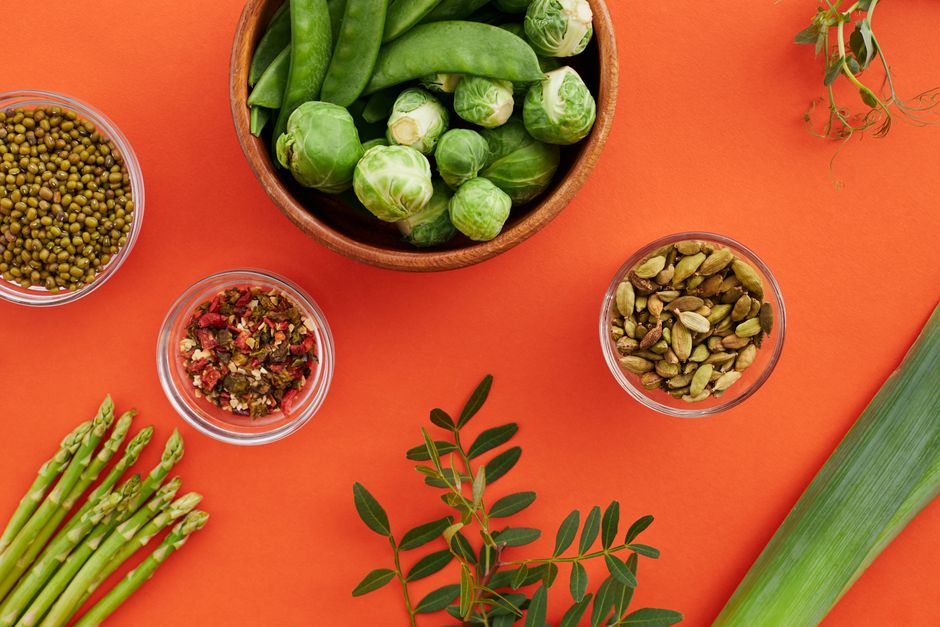
- Lowers glycemic load: Focus on foods that minimize blood sugar spikes. This includes non-starchy vegetables, legumes, nuts, seeds, and whole grains like quinoa or barley. High-fiber foods slow carbohydrate absorption, reducing insulin demand.
- Balances macronutrients: A moderate-protein, high-fiber, and healthful-fat intake supports satiety and metabolic stability. Aim for 20–30% of calories from protein, 30–40% from healthy fats (e.g., olive oil, avocado, fatty fish), and the remainder from complex carbohydrates.
- Prioritizes anti-inflammatory foods: Chronic low-grade inflammation is common in PCOS. Emphasize omega-3-rich foods (wild salmon, flaxseeds), colorful fruits and vegetables, and spices like turmeric and ginger.
- Supports gut health: Emerging evidence links gut dysbiosis to PCOS. Fermented foods (kefir, sauerkraut, kimchi) and prebiotic fibers (garlic, onions, asparagus) may improve microbial diversity and metabolic markers.
These principles align closely with the Harvard Healthy Eating Plate, which emphasizes whole foods, plant-based fats, and lean proteins over refined grains and added sugars. While no single diet is universally prescribed for PCOS, this framework offers a flexible, nutrient-dense foundation that can be adapted to individual preferences and cultural eating patterns.
Practical Eating Patterns That Work
Several dietary patterns have been studied in PCOS, each with distinct advantages:
- Low-Glycemic Index (GI) Diet: Focuses on foods with a GI of 55 or less. Examples include steel-cut oats, sweet potatoes, lentils, and most non-tropical fruits. This approach has been shown to improve menstrual regularity and reduce fasting insulin levels in clinical trials.
- Mediterranean Diet: Rich in olive oil, fish, vegetables, and whole grains, this pattern is associated with lower inflammation and improved lipid profiles. A 2020 meta-analysis in Nutrients found it beneficial for reducing androgen levels and improving insulin sensitivity in PCOS.
- DASH Diet: Originally designed to lower blood pressure, DASH emphasizes fruits, vegetables, low-fat dairy, and lean proteins. It may help reduce visceral fat and improve metabolic markers, though research specific to PCOS is limited.
- Time-Restricted Eating (TRE): Limiting eating windows to 8–10 hours may improve insulin sensitivity by aligning food intake with circadian rhythms. Some studies suggest TRE can reduce fasting glucose and testosterone in women with PCOS, but long-term adherence and safety require further study.
Rather than adhering rigidly to one model, the most successful approach is one that integrates these principles into a personalized, sustainable routine. For example, a Mediterranean-style breakfast of Greek yogurt with berries and almonds, a lunch of grilled salmon with quinoa and roasted vegetables, and a dinner of lentil curry with spinach and tahini sauce provides a balanced, low-GI day of eating without requiring strict calorie counting.
Myth: All Women with PCOS Need to Lose Weight
A persistent misconception is that weight loss is the only path to improved PCOS symptoms. While excess weight can worsen insulin resistance, many women with PCOS are of normal weight yet still experience significant metabolic dysfunction. In these cases, dietary changes that reduce inflammation and stabilize blood sugar can improve symptoms even without weight change. The Mayo Clinic emphasizes that nutrition quality matters more than weight alone for long-term health.
Additionally, weight stigma in healthcare can discourage women from seeking care or adhering to dietary advice. A focus on metabolic health, measured through markers like fasting insulin, HbA1c, and lipid profiles, provides a more objective and compassionate framework for treatment.
Making Dietary Changes That Last
Sustainability hinges on habit formation, not willpower. Small, incremental changes are more likely to stick than drastic overhauls. Consider these strategies:
- Start with one meal a day: Swap a high-GI breakfast (e.g., sugary cereal) for a protein-rich option (e.g., eggs with avocado). This single change can reduce morning insulin spikes and set a tone for the rest of the day.
- Use the plate method: Fill half the plate with non-starchy vegetables, a quarter with lean protein, and a quarter with complex carbohydrates. This visual cue simplifies portion control and ensures balanced meals.
- Plan for snacks strategically: Opt for fiber-rich, protein-dense snacks like hummus with cucumber or a small handful of almonds to prevent energy crashes and overeating later.
- Address emotional eating triggers: Stress and sleep deprivation can drive cravings for high-GI foods. Prioritizing sleep, mindfulness, and stress-reduction techniques supports both metabolic and behavioral health.
Behavioral consistency, not perfection, is the goal. A missed meal or an indulgent dinner does not negate the benefits of a generally healthful diet. Progress is measured in weeks and months, not days.
Beyond Diet: Supporting Metabolic Health
While diet is foundational, other lifestyle factors amplify its effects. Regular physical activity, particularly strength training, improves insulin sensitivity and body composition. Even short bursts of movement (e.g., 10-minute walks after meals) can lower postprandial glucose. Sleep quality also plays a critical role; poor sleep disrupts appetite-regulating hormones and increases cortisol, which can worsen insulin resistance.
Stress management is equally important. Chronic stress elevates cortisol, which promotes fat storage and can disrupt reproductive hormones. Techniques like deep breathing, yoga, or cognitive behavioral therapy may help regulate stress responses and support metabolic balance.
FAQs
Can dairy worsen PCOS symptoms?
Dairy’s impact on PCOS is individual. Some women report improvements in acne and inflammation when reducing dairy, possibly due to hormones in conventional milk. Others tolerate fermented dairy (e.g., Greek yogurt, kefir) well. If symptoms persist, an elimination trial under medical supervision may help identify personal triggers.
Do I need to cut out all sugar to manage PCOS?
Complete sugar elimination is unnecessary. The goal is to reduce refined sugars and high-GI carbohydrates, which drive insulin spikes. Natural sugars in fruit, paired with fiber and protein, have a minimal impact on blood glucose. Moderation and timing (e.g., consuming sweets after a meal) can help manage cravings without metabolic harm.
Is a ketogenic diet beneficial for PCOS?
Short-term studies suggest a ketogenic diet may improve insulin sensitivity and weight loss in PCOS, but long-term safety and sustainability are concerns. Ketosis can stress the kidneys and may lead to nutrient deficiencies if not carefully planned. A modified low-carb approach (e.g., 100–150g carbs/day) may offer benefits without the risks of strict ketosis.
How long until I see improvements in symptoms?
Metabolic changes can begin within weeks, but hormonal shifts (e.g., more regular cycles) may take 3–6 months. Consistency is key, dietary changes must be maintained to sustain benefits. Tracking symptoms (e.g., cycle regularity, energy levels, skin changes) can help gauge progress objectively.
Key Takeaways
- Insulin resistance is a primary driver of PCOS symptoms; dietary strategies should focus on stabilizing blood sugar and reducing inflammation.
- A low-glycemic, Mediterranean-style diet rich in whole foods, fiber, and healthy fats supports metabolic health and hormonal balance.
- Sustainability depends on gradual habit formation, not perfection. Small, consistent changes yield long-term results.
- Weight loss is not the sole goal; improving metabolic markers (e.g., insulin, lipids) is equally important.
- Lifestyle factors, sleep, stress management, and physical activity, amplify the benefits of dietary changes.
For women with PCOS, the most effective diet is one that aligns with metabolic physiology while respecting individual preferences and cultural practices. By focusing on whole foods, balanced macronutrients, and sustainable habits, it’s possible to improve symptoms and long-term health without restrictive or unsustainable measures.
Recommended Health & Fitness Gear