Portion Control That Works: Science-Backed Tactics to Reduce Calories Without Hunger
Portion control is often misunderstood as deprivation, but it’s actually a precision tool for sustainable weight loss. Research shows that people consistently underestimate how much they eat, especially when dining out or snacking mindlessly. The goal isn’t to eat less food — it’s to eat the right amount of the right foods. Small, intentional adjustments to plate size, eating speed, and food placement can reduce daily intake by 200 to 500 calories without leaving you hungry. These changes work with your body’s natural hunger cues rather than against them, making them far more effective than crash diets or extreme calorie counting.
Why Portion Control Outperforms Calorie Counting
Calorie counting relies on memory, estimation, and discipline — tools that are easily derailed by stress or fatigue. Portion control, by contrast, leverages environmental and behavioral cues to guide intake automatically. Studies indicate that people eat up to 22% more when served larger portions, a phenomenon known as the portion distortion effect. This effect is amplified by oversized plates, communal serving dishes, and distracted eating. The solution isn’t willpower, it’s redesigning your eating environment to favor smaller, more mindful servings.
Mindful eating, paying attention to taste, texture, and fullness, has been shown to reduce binge episodes and improve satiety. A 2020 review in Nutrients found that mindful eating practices helped participants naturally reduce portion sizes by 10 to 15% over 8 weeks. The key isn’t restriction; it’s awareness. When you slow down and engage your senses, your brain has time to register fullness before you overeat.
The 3 Most Overlooked Portion Control Hacks
1. Use the "Plate Half Rule" for Every Meal
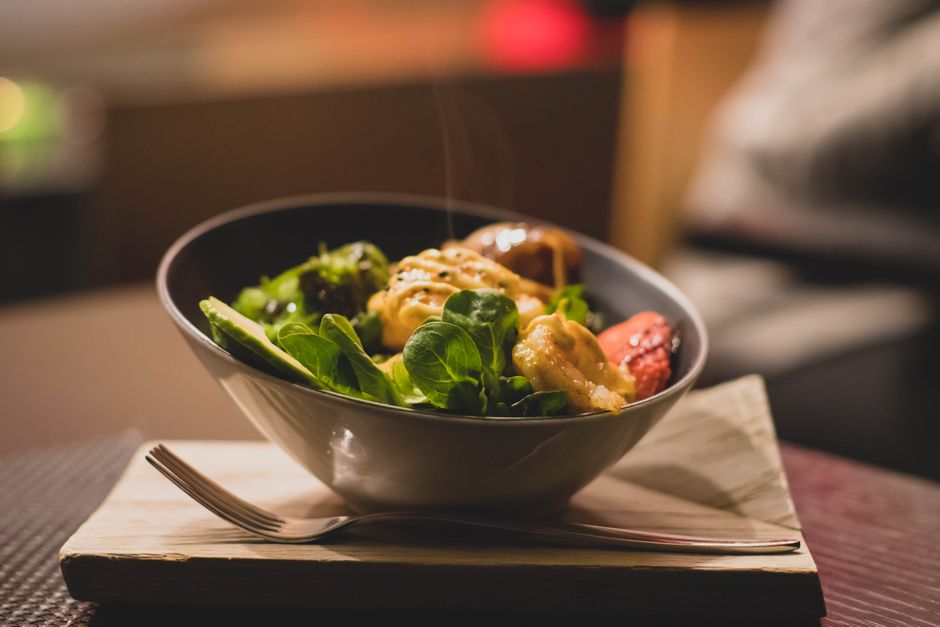
The Harvard Healthy Eating Plate recommends filling half your plate with vegetables or fruits, a quarter with lean protein, and a quarter with whole grains or starchy vegetables. This visual guide simplifies portioning and ensures balanced nutrition. For example, a 9-inch dinner plate should hold roughly:
- Protein: 3 to 4 ounces cooked (about the size of a deck of cards)
- Grains/Starches: ½ to 1 cup cooked (about the size of a tennis ball to a baseball)
- Vegetables: 1 to 2 cups raw or cooked (unlimited volume, but aim for variety)
This method works because it prioritizes fiber and volume, which promote fullness. A study in the American Journal of Clinical Nutrition found that meals with higher vegetable content led to a 25% reduction in subsequent calorie intake compared to low-vegetable meals.
2. Pre-Portion Snacks and Leftovers
Snacking accounts for 25% of daily calories for many adults, often without awareness. The problem isn’t snacking, it’s unstructured snacking. Pre-portioning snacks into 100- to 150-calorie servings (e.g., nuts in small bags, hummus in single-serve cups) reduces intake by up to 20%. Leftovers are another hidden trap: people eat 92% more when food is served family-style, according to a Journal of Nutrition Education and Behavior study. Store leftovers in opaque containers and portion them immediately after cooking.
3. Eat with Your Non-Dominant Hand (Seriously)
This hack forces you to slow down and increases mindful eating. A Mayo Clinic review highlights that eating speed correlates with calorie intake: faster eaters consume 10% more in the same time frame. Using your non-dominant hand disrupts autopilot eating and gives your brain time to catch up with your stomach. Pair this with chewing each bite 20 to 30 times to further enhance satiety signals.
Myth: Smaller Portions Mean Starvation
This misconception stems from the idea that hunger is the primary driver of weight loss. In reality, hunger is a late-stage signal, your body often adapts to smaller portions by improving satiety efficiency. Research in Obesity Reviews shows that people who consistently eat smaller portions report no increase in hunger after 2 weeks, thanks to improved gut hormone sensitivity. The key is pairing portion control with protein-rich, high-fiber foods that prolong fullness.
Another myth is that portion control is temporary. Sustainable weight loss requires habits that last beyond the initial 4 to 6 weeks of adjustment. The goal isn’t to eat less forever, it’s to recalibrate your sense of normal portions. Over time, your stomach’s capacity shrinks slightly, and your brain learns to recognize appropriate serving sizes without conscious effort.
7-Day Portion Control Action Plan
This plan focuses on environmental tweaks and behavioral cues. No calorie counting, no extreme restrictions, just small, repeatable actions.
| Day | Focus | Action Steps |
|---|---|---|
| Day 1-2 | Plate Audit |
|
| Day 3-4 | Snack Pre-Portioning |
|
| Day 5-6 | Slow Eating Challenge |
|
| Day 7 | Leftovers Reset |
|
Troubleshooting Common Portion Control Pitfalls
Problem: You’re still hungry after meals.
Fix: Prioritize protein and fiber. Add a side salad with 2 tablespoons of dressing, a small bowl of broth-based soup, or a piece of fruit post-meal. These additions increase meal volume without significantly adding calories.
Problem: You overeat at restaurants.
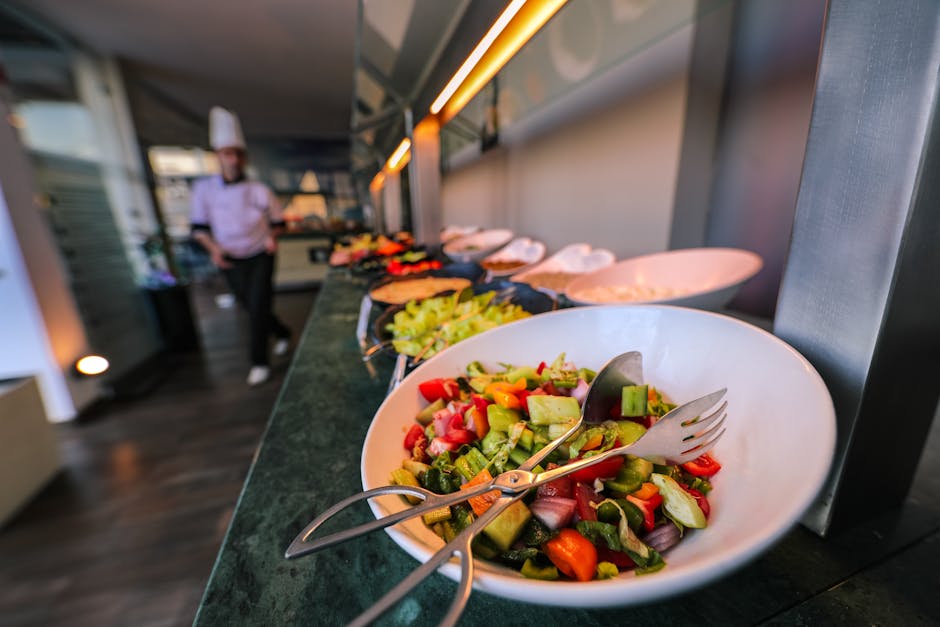
Fix: Order an appetizer as your main course or split a meal with a friend. Request a to-go box immediately and pack half the portion before eating. Restaurants often serve 2 to 3 times the recommended portion size.
Problem: You snack mindlessly while working or watching TV.
Fix: Designate a specific snacking area (e.g., the kitchen table) and use a small bowl instead of eating from the bag. Keep water or herbal tea nearby to curb cravings.
FAQ: Portion Control Clarified
Q: Does portion control work for people with insulin resistance or diabetes?
A: Yes. Portion control helps regulate blood sugar by preventing large spikes in glucose from oversized carb servings. Pairing carbs with protein and fiber further stabilizes levels. Always consult a healthcare provider for personalized guidance.
Q: How do I portion control when eating out?
A: Use the palm of your hand as a guide: 1 palm-sized portion of protein, 1 fist-sized portion of carbs, and unlimited vegetables. Skip the bread basket and opt for dishes described as "steamed," "grilled," or "roasted."
Q: Can portion control help with emotional eating?
A: It addresses the physical aspect of overeating, but emotional triggers require additional strategies like stress management or therapy. Portion control creates a foundation for better emotional regulation by reducing the guilt and shame associated with binge episodes.
Q: Is it okay to eat until I’m full if I’m eating healthy foods?
A: Fullness is a subjective signal. Healthy foods like nuts or avocado are nutrient-dense but calorie-dense, eating until full may still exceed your needs. Use the Plate Half Rule as a visual cue and pause mid-meal to assess hunger levels.
Key Takeaways
- Visual cues matter: Plate size, bowl dimensions, and food placement influence intake more than willpower.
- Slow down to eat less: Using your non-dominant hand and chewing thoroughly reduces speed-related overeating.
- Pre-portion everything: Snacks, leftovers, and condiments should be portioned in advance to avoid unconscious overeating.
- Prioritize volume and fiber: High-volume, low-calorie foods like vegetables and broth-based soups enhance satiety without excess calories.
- Consistency beats intensity: Small, daily adjustments recalibrate your eating habits more effectively than extreme restrictions.
Portion control isn’t about deprivation, it’s about precision. By redesigning your environment and habits, you can shrink your waistline without shrinking your satisfaction. The science is clear: small changes, repeated consistently, yield the most sustainable results.
Recommended Health & Fitness Gear